Sacha Inchi Protein vs. Pea Protein: The Complete OEM Comparison
Published on May 18, 2026 · By Caleb Lim, Founder · Asia Eco Farm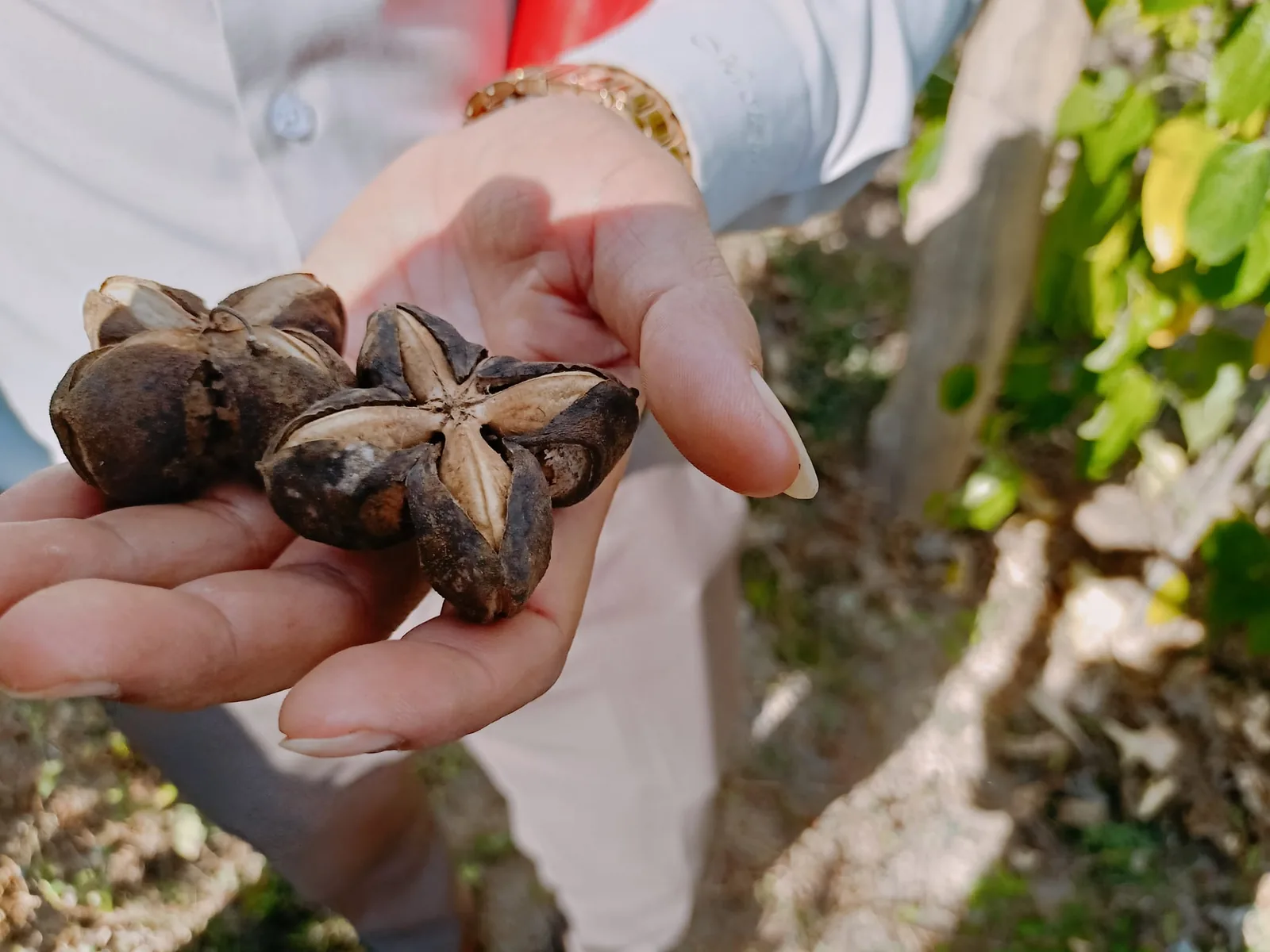
Pea protein has dominated the plant-based protein market for a decade. Its high protein content, relatively complete amino acid profile, and wide availability made it the default choice for sports nutrition, meal replacement, and vegan supplement brands. But as the market matures and brands look for differentiation, Sacha Inchi protein is emerging as a compelling alternative — particularly for premium positioning, Southeast Asian supply chains, and products where amino acid completeness and omega fatty acid co-delivery matter.
This guide covers the comparison that every product development team evaluating plant proteins should run: amino acid profile, digestibility, flavour, allergen status, sustainability, and MOQ sourcing from a B2B perspective.
Quick Comparison: Sacha Inchi Protein vs. Pea Protein
| Factor | Sacha Inchi Protein | Pea Protein Isolate |
|---|---|---|
| Protein content (typical isolate) | 54–62% | ~80–85% |
| Complete amino acid profile | Yes — all 9 EAAs present | Near-complete (low methionine) |
| BCAA content | Good | High (especially leucine) |
| Digestibility / PDCAAS | Not published — request lot analysis | High (~0.82–0.93) |
| Omega-3 fatty acid co-delivery | Yes (3–5 g ALA per 100 g powder) | No |
| Allergen profile | Tree nut caution (not major allergen) | Legume (note: pea allergy cross-react with soy/lentil) |
| Flavour / taste | Mild, slightly nutty | Earthy/beany — often requires masking |
| Texture in powder blends | Smooth | Slightly chalky in high doses |
| Sourcing geography | Southeast Asia (Malaysia/Laos) | Europe/North America/China |
| Sustainability narrative | Carbon-negative, perennial crop | Nitrogen-fixing legume (good, but commodity) |
| Market saturation | Low — novelty premium available | Very high — commoditised |
Amino Acid Profile: The Detail That Drives Formulation Decisions
Pea protein's reputation for being "near complete" comes with an asterisk: it is low in methionine, one of the sulphur-containing essential amino acids. This is why most branded pea protein products blend pea with rice protein — rice provides methionine, pea provides lysine, and the combination achieves a more balanced profile. The blending requirement adds cost and complexity to the supply chain.
Sacha Inchi protein supplies all nine essential amino acids from one ingredient. The formulation-relevant difference against pea is where each is strong: pea is rich in lysine but short on the sulphur amino acids, while published analyses of Sacha Inchi protein show it is not short on methionine and cysteine and is comparatively rich in tryptophan, phenylalanine and threonine, with lysine reported as its own limiting amino acid.
The practical read: pea protein's methionine shortfall is the reason it is so often blended with rice, and that is the gap Sacha Inchi protein does not have. Pea's stronger BCAA content, leucine in particular, gives it an edge for muscle protein synthesis positioning in sports nutrition.
Digestibility and Bioavailability
Pea protein isolate is commonly reported in the 0.82–0.93 PDCAAS range. For Sacha Inchi protein we do not publish a figure: our certificate of analysis does not include a protein quality score, and published values for Plukenetia volubilis protein differ depending on the fraction tested. If a score matters to your claim, commission it on the lot you are buying — from us or from anyone else.
Sacha Inchi protein contains lower levels of anti-nutritional factors (phytates, trypsin inhibitors, lectins) compared to many legume proteins, which contributes to its good digestibility even at higher serving doses. Pea protein processing has also improved significantly; modern pea protein isolates have substantially reduced anti-nutritional factors versus older concentrates.
Omega-3 Co-Delivery: A Unique Advantage for Sacha Inchi
One capability pea protein simply cannot match: residual omega-3 fatty acid content in the protein fraction. Even after pressing removes the bulk of the oil, the powder still carries 3–5 g of omega-3 ALA per 100 g (4.0 g on our most recent tested lot) — a level that shows up on the finished product's nutritional panel.
This means a Sacha Inchi protein powder can legitimately carry both a protein claim and an omega-3 claim from a single ingredient. For supplement brands targeting the vegan sports nutrition or active lifestyle segment, this dual claim — "complete plant protein + plant-based omega-3" — is a compelling label story that pea protein cannot deliver without adding a separate omega-3 ingredient (flaxseed, chia, or algae oil).
Flavour Profile: The Formulator's Hidden Cost
Pea protein's earthy, beany flavour is well-documented in product development circles. It is manageable at 20–25g serving sizes with sufficient flavouring, but in unflavoured or lightly flavoured products, it is noticeable. Higher inclusion rates — common in meal replacement or high-protein formulations — often require stronger flavour masking, enzyme treatment, or blending with a milder base protein.
Sacha Inchi protein has a mild, slightly nutty flavour that requires less masking even in unflavoured applications. This can represent meaningful cost savings in formulations where flavouring ingredients are a significant component of COGS, and makes Sacha Inchi protein a better candidate for natural or minimally processed product lines where "clean" ingredient labels are a priority.
Allergen Status
Pea protein is a legume. While pea is not among the Big 8/9 major allergens in the US or the EU's 14 major allergens, it shares structural proteins with soy, lentil, and other legumes that can trigger cross-reactive responses in individuals with legume allergies. Pea protein is also frequently manufactured in facilities that process soy, creating contamination risk on shared lines.
Sacha Inchi is a tree nut (Plukenetia volubilis, family Euphorbiaceae). It is not among the major allergen lists in most markets but should be declared on ingredient labels, and brands targeting tree nut-sensitive consumers should consult regulatory guidance for their specific market.
Neither ingredient is allergen-free in all contexts, but for brands specifically excluding legume proteins (a growing segment of the sports nutrition market addressing soy and legume sensitivity), Sacha Inchi offers a genuinely different allergen profile.
Market Differentiation: Why Brand Owners Are Moving Beyond Pea
Pea protein is now a commodity ingredient. Major Chinese manufacturers have driven the price down significantly over the past five years, and the ingredient appears on thousands of product labels. A new sports nutrition brand launching with "pea protein" as its primary ingredient claim faces an uphill differentiation battle.
Sacha Inchi protein occupies a different market position. Its relative scarcity in mainstream products creates genuine novelty premium — brands can own the "Sacha Inchi protein" claim in their market segment rather than competing in the crowded "plant protein" space. Combined with its Southeast Asian origin story, complete amino acid profile, and carbon-negative sourcing credentials, it supports a higher unit price and a more defensible brand position.
OEM Sourcing Guide: Sacha Inchi Protein from Asia Eco Farm
Asia Eco Farm supplies Sacha Inchi protein powder from our integrated operations in Malaysia and Laos. Standard product specifications:
- Protein content: 54–62 g/100g (defatted, gelatinized)
- Certifications: USDA Organic · HACCP · GMP
- MOQ: 100 kg for initial SKU launches
- Packaging: Mylar (aluminium foil) bags; custom private label available
- Applications: Protein powders, meal replacements, protein bars, nutritional beverages, sports nutrition capsules
- Lead time: 4–6 weeks standard; rush available on request
We supply both bulk ingredient and turnkey private label formats, with in-house QC testing and batch documentation included.
Related Articles
Ready to Formulate with Sacha Inchi Protein?
Request a sample or full spec sheet. USDA Organic certified. MOQ from 100 kg. Our OEM team handles everything from spec to private label production.
Request a Sample → View Full Protein Specs