Sacha Inchi vs. Flaxseed: Which Plant-Based Omega-3 Wins for Your Brand?
Published on May 18, 2026 · By Caleb Lim, Founder · Asia Eco Farm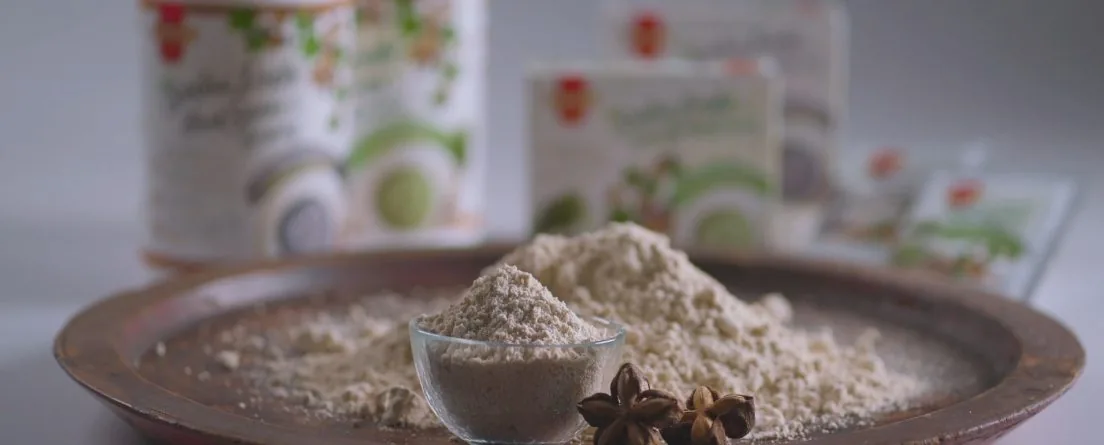
Flaxseed has been the go-to plant-based omega-3 source for three decades. Its fatty acid credentials are well-documented, and it sits comfortably in every supplement formulators' shortlist. But a newer contender from Southeast Asia is forcing brands to re-evaluate: Sacha Inchi, the star-shaped seed of the Plukenetia volubilis vine, brings a competitive omega-3 profile, a stronger vitamin E punch, and a carbon-negative sourcing story that resonates with today's sustainability-conscious consumer.
For B2B formulators and private label brands, the choice between these two ingredients is not simply about omega-3 percentage — it involves stability, bioavailability potential, regulatory standing, taste compatibility, and supply chain geography. This guide covers each dimension so your product development team can make an informed decision.
Quick Comparison: Sacha Inchi vs. Flaxseed at a Glance
| Factor | Sacha Inchi Oil | Flaxseed Oil |
|---|---|---|
| Omega-3 (ALA) content | 41–50% | ~50–57% |
| Omega-6 content | ~33–36% | ~13–17% |
| Omega-3 : Omega-6 ratio | ~1.05:1 | ~3.5:1 |
| Vitamin E (tocopherols) | ~175–220 mg/100g | ~17–22 mg/100g |
| Oxidative stability | Better (natural Vit E protection) | Prone to rapid rancidity |
| Flavour profile | Mild, lightly nutty | Earthy, grassy notes — stronger |
| Protein yield (whole seed) | 27–33% protein | ~18–20% protein |
| Vegan / allergen status | Vegan, tree nut caution | Vegan, generally allergen-free |
| Sustainability footprint | Carbon-negative farming (Laos/Malaysia) | Standard annual crop |
| USDA Organic available | Yes (Asia Eco Farm certified) | Yes (widely available) |
Omega-3 Content: Closer Than You Think
Flaxseed oil's reputation as the "highest plant-based ALA source" is technically accurate in many reference tables — but the gap over Sacha Inchi oil is smaller than commonly cited, and the wider fatty acid context changes the comparison considerably.
Both oils deliver alpha-linolenic acid (ALA) in broadly similar ranges. Our own lots are specified at 41–50% ALA and test around 46%, and published analyses of commercial cold-pressed Sacha Inchi oil report a similar mid-40s average, while flaxseed oil comes in at 50–57% depending on variety and processing. On a strict percentage basis, flaxseed has a modest edge.
However, for a supplement formulator, raw ALA percentage is only one input. The more relevant metric is the omega-3 to omega-6 ratio delivered to the end consumer. Flaxseed oil's relatively low omega-6 content (~13–17%) gives it a favourable 3.5:1 omega-3:omega-6 ratio. Sacha Inchi oil's higher omega-6 (32–45%) narrows that ratio to approximately 1.05:1 — which is still far superior to the 15:1–20:1 ratio typical of the Western diet, and means that supplementing with Sacha Inchi oil actively corrects this dietary imbalance.
Vitamin E: Where Sacha Inchi Has a Clear Lead
This is the most underappreciated differentiator between the two ingredients. Sacha Inchi oil contains approximately 175–220 mg of tocopherols per 100g — roughly ten times the vitamin E content of flaxseed oil (~17–22 mg/100g).
This matters for two reasons that directly affect product quality:
- Shelf stability: Tocopherols are natural antioxidants. Sacha Inchi oil's high Vitamin E content helps protect it from oxidation during storage, reducing the risk of rancidity that plagues flaxseed oil — particularly relevant for liquid supplements and bulk raw material storage.
- Formulation value: Vitamin E is a premium active in its own right. For softgel manufacturers and cosmetic formulators, Sacha Inchi oil's Vitamin E content allows the label to carry an additional nutrient claim without adding a separate tocopherol ingredient.
Flaxseed oil's low Vitamin E means formulators typically need to add separate antioxidant protection (mixed tocopherols or rosemary extract) to achieve acceptable shelf life — adding cost and complexity that Sacha Inchi oil does not require.
Oxidative Stability and Shelf Life
Flaxseed oil's primary commercial weakness is its rapid oxidation. Its high polyunsaturated fatty acid content, combined with low intrinsic antioxidant protection, means that flaxseed oil can turn rancid within weeks of opening at room temperature — a significant compliance and taste challenge for retail supplement brands.
Cold-pressed Sacha Inchi oil demonstrates better real-world stability. Its comparable polyunsaturated content is counterbalanced by its high natural Vitamin E, producing a more stable product that can survive standard supply chain conditions more reliably. For brands sourcing in bulk for contract manufacturing, this translates into reduced waste, longer raw material holding periods, and fewer quality complaints.
Practical guidance for both oils: dark glass or nitrogen-flushed packaging, refrigeration after opening, and avoidance of heat applications (neither oil is suitable for cooking).
Flavour and Consumer Palatability
Flaxseed oil has a characteristic earthy, slightly grassy flavour that many consumers find strong or off-putting, particularly in liquid supplement formats. This often drives formulators toward softgel encapsulation to mask the taste — adding encapsulation cost that may not be recoverable in the final product price.
Sacha Inchi oil has a noticeably milder, lightly nutty profile that is better tolerated in liquid applications — drizzled oils, functional beverages, and dressings — without significant flavour masking requirements. For culinary ingredient brands targeting the premium food market, this is a meaningful differentiation point.
Whole-Seed Protein: A Second Revenue Stream
Flaxseed is primarily an oil crop. Its protein yield (approximately 18–20% of the whole seed) is modest, and flaxseed protein is less commonly used as a standalone ingredient in supplement formulations due to its moderate amino acid profile and fibre content.
Sacha Inchi is a dual-purpose crop: the same seed yields both oil (via cold-press) and a high-protein meal (27–33% protein content, complete amino acid profile including all essential amino acids). This means an OEM manufacturer working with Sacha Inchi as a raw material can offer clients both oil-format and protein-format products from the same supply chain — a flexibility that flaxseed simply does not provide at the same level.
Asia Eco Farm supplies both Sacha Inchi oil and Sacha Inchi protein powder from integrated farm-to-factory operations in Malaysia and Laos, enabling brands to consolidate their plant-based ingredient sourcing under a single qualified supplier.
Sustainability and Sourcing Credentials
Flaxseed is an annual crop, primarily grown in Canada, Russia, and China. It provides no particular environmental differentiation story — it is a commodity. Supply pricing is subject to standard commodity volatility, and there is no meaningful differentiation available to brands based on sourcing origin.
Sacha Inchi is a perennial vine that, once established, produces for 20–30 years from a single planting. The vine's canopy structure and deep root system make it an effective carbon sink. Asia Eco Farm's farms in Laos and Malaysia are certified USDA Organic and operate under regenerative farming principles — a carbon-negative sourcing narrative that holds genuine differentiation value on a product label or brand website.
For brands selling to sustainability-oriented retail buyers, specialty food retailers, and ESG-focused corporate wellness programs, "sourced from carbon-negative farms in Southeast Asia" is a claim flaxseed cannot offer.
B2B Formulation Guide: Which Ingredient Fits Which Product?
| Product Type | Recommended | Reason |
|---|---|---|
| Omega-3 softgel capsules (vegan) | Sacha Inchi Oil | Better stability, higher Vit E, milder flavour in gelatin bleed-through |
| Liquid omega-3 supplement | Sacha Inchi Oil | More palatable flavour reduces consumer drop-off |
| High-ALA % label claim | Flaxseed Oil | Marginally higher ALA% supports highest-in-class claim |
| Cold-pressed culinary oil (retail) | Sacha Inchi Oil | Mild flavour, strong sustainability story, premium positioning |
| Facial serum / cosmetic carrier oil | Sacha Inchi Oil | High Vit E = antioxidant active; non-comedogenic; mild scent |
| Plant protein powder (separate product) | Sacha Inchi Protein | No flaxseed protein equivalent at this amino acid completeness |
| Commodity volume / lowest unit cost | Flaxseed Oil | Global commodity supply; widest price competition |
Regulatory and Labelling Considerations
Both Sacha Inchi oil and flaxseed oil are permitted food and supplement ingredients in the major markets — EU, US, UK, Australia/NZ, and Singapore/Malaysia. Neither requires novel food authorization in the US or Southeast Asian markets. In the EU, Sacha Inchi oil received Novel Food authorization in 2019 and can be sold in EU member states; note that this authorization covers oil only and does not extend to Sacha Inchi protein powder for EU-market formulations.
For allergen labelling: Sacha Inchi is a tree nut (Plukenetia volubilis). While it is not among the Big 8/9 major allergens in the US or the EU's 14 major allergens, formulators should review country-specific requirements and consider precautionary labelling depending on target market.
Verdict: When to Choose Sacha Inchi Over Flaxseed
Flaxseed oil remains a cost-effective commodity omega-3 choice for brands where price per unit is the dominant driver. However, for brands building differentiated products — particularly in the premium supplement, functional food, or cosmetic segments — Sacha Inchi oil offers a more compelling package: comparable omega-3 levels, dramatically better Vitamin E content, superior oxidative stability, a better consumer flavour experience, and a sourcing story that supports sustainability claims.
If your formulation brief includes any of the following, Sacha Inchi should be your primary omega-3 plant oil: vegan softgel manufacturing, premium culinary oils, natural cosmetic formulations, or B2B sourcing with a carbon-neutral supply chain requirement.
Related Articles
Source Certified Sacha Inchi Oil for Your Private Label Brand
USDA Organic · HACCP · GMP certified. Available in bulk drums or private label formats. Request a sample or spec sheet from our OEM team.
Request a Sample → View MOQ & Pricing