The Complete Guide to Sacha Inchi
Everything brands, formulators, and procurement teams need to know about the world's most nutritionally complete plant-based superfood seed.
Updated May 18, 2026 · By Caleb Lim, Founder · Asia Eco Farm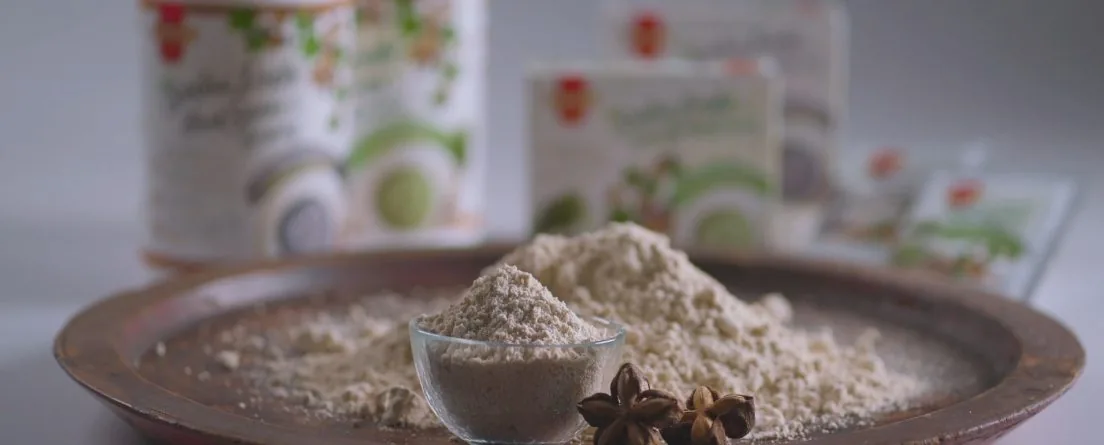
Contents
- What Is Sacha Inchi?
- Nutritional Profile
- Oil vs. Protein Powder: Which Format Do You Need?
- Health Benefits and Applications
- Sacha Inchi in Cosmetics
- Sustainability and Carbon-Negative Farming
- Southeast Asia vs. Peru: Origin Matters
- Certifications: What to Look For
- Regulatory Status by Market
- How to Source Sacha Inchi for Your Brand
- Frequently Asked Questions
1. What Is Sacha Inchi?
Sacha Inchi (Plukenetia volubilis L.) is a perennial climbing vine in the family Euphorbiaceae, native to the Peruvian and Ecuadorian Amazon. The plant produces distinctive star-shaped seed capsules containing four to seven seeds that, when cold-pressed, yield one of the richest plant-based sources of omega-3 fatty acids known to science. The seeds also yield a highly nutritious defatted protein meal after oil extraction.
The name "Sacha Inchi" comes from the Quechua language spoken by Andean and Amazonian peoples — "sacha" meaning forest or wild, "inchi" referring to peanut or nut. Archaeological evidence suggests Sacha Inchi seeds were consumed by indigenous Amazonian peoples for thousands of years before commercial cultivation began in the 1980s.
Commercial cultivation expanded significantly from the 1990s through 2010s, initially centered on Peru's San Martín region. From the 2010s onward, Southeast Asian cultivation — principally in Laos, Malaysia, and Vietnam — has added a new growing region that now supplies a meaningful proportion of globally traded Sacha Inchi ingredients. Asia Eco Farm operates farms in Laos and Malaysia, offering vertically integrated, certified organic supply chains for brands in the Asia-Pacific region and globally.
2. Nutritional Profile
Sacha Inchi's commercial value rests on two nutritional pillars: its oil's exceptional fatty acid profile and its protein's complete essential amino acid coverage. Few single plant sources deliver both in the same seed.
Fatty Acid Profile of Sacha Inchi Oil
| Fatty Acid | % of Total Fatty Acids | Health Relevance |
|---|---|---|
| Alpha-Linolenic Acid (ALA, Omega-3) | 41–50% | Cardiovascular health, anti-inflammatory, brain function precursor |
| Linoleic Acid (LA, Omega-6) | ~32–45% | Skin barrier function, ceramide biosynthesis |
| Oleic Acid (OA, Omega-9) | ~8–12% | Emollient, heart health, stability contribution |
| Palmitic Acid | ~3–5% | Structural role |
| Stearic Acid | ~2–4% | Structural role |
| Vitamin E (Tocopherols) | 175–220 mg/100g | Antioxidant, skin protection, preservative synergy |
The omega-3 to omega-6 ratio of Sacha Inchi oil (~1.05:1 on our recent lots) is dramatically better than the typical Western dietary ratio of 15:1–20:1. Supplementing with Sacha Inchi oil actively corrects this imbalance, providing a strong basis for cardiovascular and anti-inflammatory supplement claims.
Protein Powder — Amino Acid Completeness
After pressing, the defatted seed cake is gelatinized and milled into a protein powder containing 54–62 g of protein per 100 g. Sacha Inchi protein contains all nine essential amino acids, making it a complete protein — an unusual attribute for a plant-derived protein that most plant sources (pea, rice, hemp) do not possess individually.
3. Oil vs. Protein Powder: Which Format Do You Need?
The two primary commercial forms of Sacha Inchi serve different product categories and brand applications. The choice depends on your target consumer and product format:
| Cold-Pressed Oil | Defatted Protein Powder | |
|---|---|---|
| Best for | Omega-3 supplements, softgels, culinary oils, cosmetics | Protein powders, meal replacements, vegan protein blends, bars, functional foods |
| Key nutrient | ALA omega-3, Vitamin E | Complete protein, amino acids |
| EU market | Authorized (Novel Food) | Not authorized |
| MOQ (Asia Eco Farm) | 50 litres | 100 kg |
| Allergen note | Tree nut (Sacha Inchi) | Tree nut (Sacha Inchi) |
A third format — finished softgel capsules — bridges both: oil-filled gelatin or plant-based softgels provide the omega-3 benefit in a consumer-ready dosage form available through Asia Eco Farm's ODM service. For more detail, see our dedicated Oil vs. Powder comparison guide.
4. Health Benefits and Applications
Sacha Inchi's health benefits flow directly from its nutritional composition. The following are the most evidence-supported benefit areas relevant to supplement brand positioning:
Cardiovascular Health
Alpha-linolenic acid (ALA) has been associated with cardiovascular benefits in multiple population studies and clinical trials. The European Food Safety Authority (EFSA) has authorized a health claim for ALA: "ALA contributes to the maintenance of normal blood cholesterol levels" at 2g ALA per day. Sacha Inchi oil's high ALA content (41–50%) means a small daily dose (approximately 5–10ml) delivers the claimed level, providing a strong basis for cardiovascular supplement labelling in markets permitting ALA claims.
Anti-Inflammatory Support
The omega-3:omega-6 ratio of Sacha Inchi oil (approximately 1.05:1 on our recent lots) is markedly superior to most dietary plant oils. Omega-3 fatty acids compete with omega-6 arachidonic acid precursors for enzymatic conversion pathways, moderating the production of pro-inflammatory eicosanoids. For supplement brands targeting anti-inflammatory positioning, Sacha Inchi oil's ratio profile provides a legitimate biochemical basis for such claims (where permitted by market-specific regulations).
Skin Health
Both the oil (topically and as an ingestible) and the protein powder contribute to skin health outcomes. Linoleic acid (LA, ~33–36% of the oil) is a constituent of ceramides and essential for epidermal barrier function. Deficiency of linoleic acid is associated with increased transepidermal water loss and dry, compromised skin. Sacha Inchi oil's LA content, combined with its high Vitamin E, positions it well for ingestible beauty supplements and topical cosmetic formulations.
Vegan Protein and Muscle Support
Sacha Inchi protein supplies all nine essential amino acids from a single ingredient, which is why it appears in plant-based muscle support formulations. While its leucine content is lower than whey, it is fully adequate for general wellness, meal replacement, and moderate athletic support applications. For brands building "clean plant protein" narratives without soy or dairy, Sacha Inchi is one of very few plant proteins that avoids both.
5. Sacha Inchi in Cosmetics
Sacha Inchi oil's combination of high omega-3 fatty acids, exceptional Vitamin E content, and non-comedogenic profile (comedogenic rating ~2) makes it suitable for a wide range of cosmetic applications:
- Face serums and facial oils — barrier repair, antioxidant protection, skin softening
- Moisturisers and creams — EFA-rich base for dry and sensitive skin formulations
- Hair oils and scalp serums — omega-3 for scalp condition, lightweight penetrating feel
- Body oils — pleasant sensory profile, USDA Organic for certified natural body care
- Eye care products — non-comedogenic, Vitamin E for anti-ageing positioning
For a full cosmetic formulation guide, see our dedicated Sacha Inchi for Cosmetics page.
6. Sustainability and Carbon-Negative Farming
Sacha Inchi cultivated under Asia Eco Farm's farming model in Laos and Malaysia is produced on a carbon-negative basis. The perennial vine — which remains productive for 20+ years without replanting — sequesters carbon across its full growth cycle while requiring no annual tilling, no synthetic fertilizers on certified organic land, and minimal mechanization. The farming model restores previously degraded tropical land to productive, biodiverse use.
This carbon-negative narrative is rare in the ingredient industry. Most commodity plant ingredients — including flaxseed, chia, and pea protein — are produced on annual crop cycles with associated tillage, fertilizer, and mechanization emissions. Sacha Inchi from perennial vine cultivation is a genuinely differentiated claim that brands in sustainability-forward markets can use with integrity.
For full details, see our Sustainability page.
7. Southeast Asia vs. Peru: Origin Matters
While Peru was the original commercial Sacha Inchi producer, Southeast Asian cultivation has matured to offer comparable ingredient quality with structural advantages for Asia-Pacific brands: shorter transit times, English-language documentation, vertically integrated supply chains, and Singapore-hub logistics. The fatty acid profile of Southeast Asian Sacha Inchi oil is analytically equivalent to Peruvian-origin material.
For a detailed comparison, see our Southeast Asia vs. Peru sourcing guide.
8. Certifications: What to Look For
When qualifying a Sacha Inchi supplier, the minimum certification baseline for supplement and food applications is:
- USDA Organic — if your product requires organic claims
- HACCP — mandatory for supplement-grade ingredient sourcing
- GMP — required by most contract manufacturers before accepting raw materials
Asia Eco Farm holds USDA Organic, Laos Organic, HACCP, and GMP certifications. See our certifications page for details and verification.
9. Regulatory Status by Market
The critical regulatory distinction for Sacha Inchi is EU Novel Food authorization:
- Sacha Inchi oil: EU Novel Food authorized — permitted across all EU markets
- Sacha Inchi protein powder: Not EU Novel Food authorized — not permitted for sale in EU markets
- All other major markets (US, UK, Singapore, Malaysia, Australia, Japan, Korea): Both oil and protein permitted
For full regulatory guidance, see our EU Novel Food guide.
10. How to Source Sacha Inchi for Your Brand
For a complete step-by-step procurement guide covering format selection, certification requirements, MOQ, quality testing, supplier qualification, and OEM vs. bulk sourcing decisions, see our dedicated Sacha Inchi Sourcing Guide.
To request samples or start an OEM enquiry with Asia Eco Farm, use our Sample Request form or contact our team via the Contact page.
11. Frequently Asked Questions
What is Sacha Inchi?
Sacha Inchi (Plukenetia volubilis) is a perennial climbing vine native to the Peruvian Amazon, now also grown in Southeast Asia. Its star-shaped seeds produce cold-pressed oil rich in omega-3 fatty acids (ALA ~50%) and a defatted protein powder with a complete essential amino acid profile.
Is Sacha Inchi an allergen?
Sacha Inchi is botanically classified as a tree nut (Plukenetia volubilis). It is not among the major regulated allergens in the US (Big 9) or EU (14 allergens), but formulators should apply precautionary allergen labelling and review country-specific requirements in target markets.
Is Sacha Inchi protein powder permitted in the EU?
No. Sacha Inchi protein powder does not hold EU Novel Food authorization and cannot be sold as a food ingredient in the EU. Sacha Inchi oil is authorized for EU markets. See our EU Novel Food guide for full details.
What is the MOQ for Sacha Inchi from Asia Eco Farm?
Cold-pressed oil: 50 litres (bulk drum). Protein powder: 100 kg. Finished softgel ODM: 10,000 units. Sample quantities are available prior to order commitment. See MOQ & Pricing for the full table.
How does Sacha Inchi compare to flaxseed, chia, fish oil, or pea protein?
We have detailed comparison articles for each: vs. Flaxseed, vs. Chia Seeds, vs. Fish Oil, Protein vs. Pea Protein, Protein vs. Whey.
Deep-Dive Articles
- → Sacha Inchi vs. Flaxseed
- → Sacha Inchi vs. Chia Seeds
- → Sacha Inchi vs. Fish Oil
- → Sacha Inchi Protein vs. Pea Protein
- → Sacha Inchi Protein vs. Whey
- → Southeast Asia vs. Peru Sourcing
- → EU Novel Food Status Guide
- → How to Source Sacha Inchi
- → Sacha Inchi for Cosmetics
- → Carbon-Negative Farming Model
Ready to Add Sacha Inchi to Your Product Line?
USDA Organic · HACCP · GMP certified. Oil, protein powder, and softgel formats. Singapore HQ, Laos & Malaysia farms. Samples available before you commit.
Request a Sample → View MOQ & Pricing